The Architecture and Restoration of All Saints Church
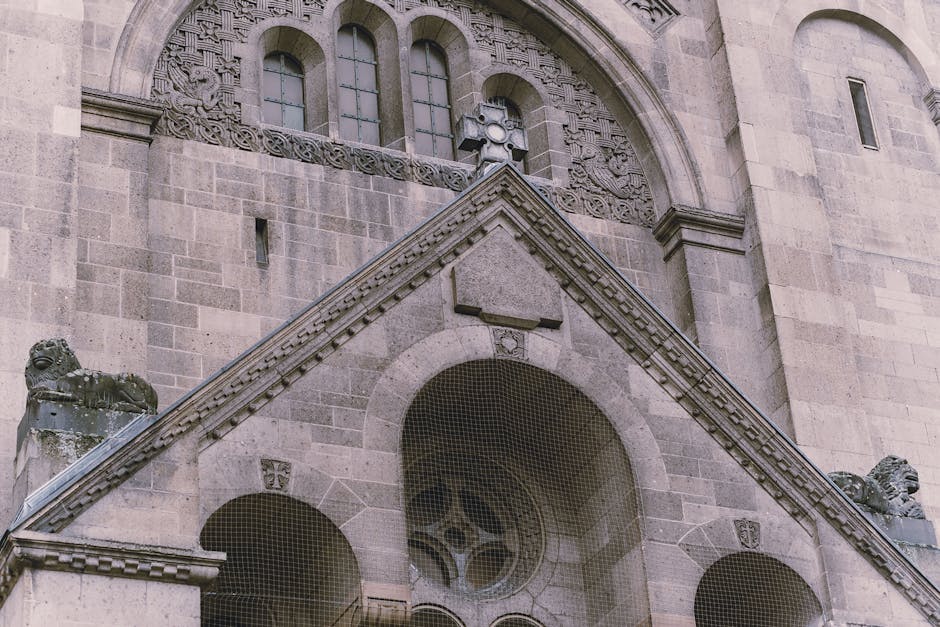
The architecture of All Saints Church reflects the period of its construction and reveals much about the priorities and capabilities of the community that built it. Understanding these architectural elements adds depth to any visit and appreciation for the building's significance.
Structural Elements
Like most English parish churches, All Saints features characteristic elements: a tower or spire, a nave for the congregation, a chancel for the clergy, and various supporting structures. The stone used in construction tells a story about local geology and medieval trade networks. The windows, which have evolved over centuries, show how architectural fashions changed while the basic structure remained.
Decorative Features
Look closely at the stonework and you'll notice carved details that served both practical and decorative purposes. Gargoyles and carved figures, found on many churches, weren't merely aesthetic—they had spiritual significance and practical functions in directing water away from the building. Internal features like the font, pulpit, and altar area reflect different periods of church history and changing religious practices.
Conservation Challenges
Buildings of this age face significant challenges. Stone deteriorates, lead roofing requires maintenance, and wooden elements are vulnerable to rot and insect damage. All Saints, like churches throughout the UK, requires ongoing conservation work to remain structurally sound and safe for visitors and worshippers.
Restoration Projects
Over recent decades, various restoration projects have been undertaken to preserve All Saints for future generations. These projects require careful planning to ensure that repairs respect the building's historical integrity while using modern materials and techniques where appropriate. Funding for such work often comes from grants, donations, and the dedication of the local community.
Learning from the Building
Every repair and restoration provides opportunities to learn more about the church's history. Archaeologists and conservators sometimes discover hidden features or evidence of earlier structures. These discoveries help us understand how the building has evolved and what it reveals about the people who built and maintained it.
Visiting All Saints with an appreciation for its architecture enhances your understanding of medieval craftsmanship, community values, and the remarkable durability of well-built structures. The church stands as a testament to the skill of long-ago builders and the commitment of communities to preserve their heritage.